
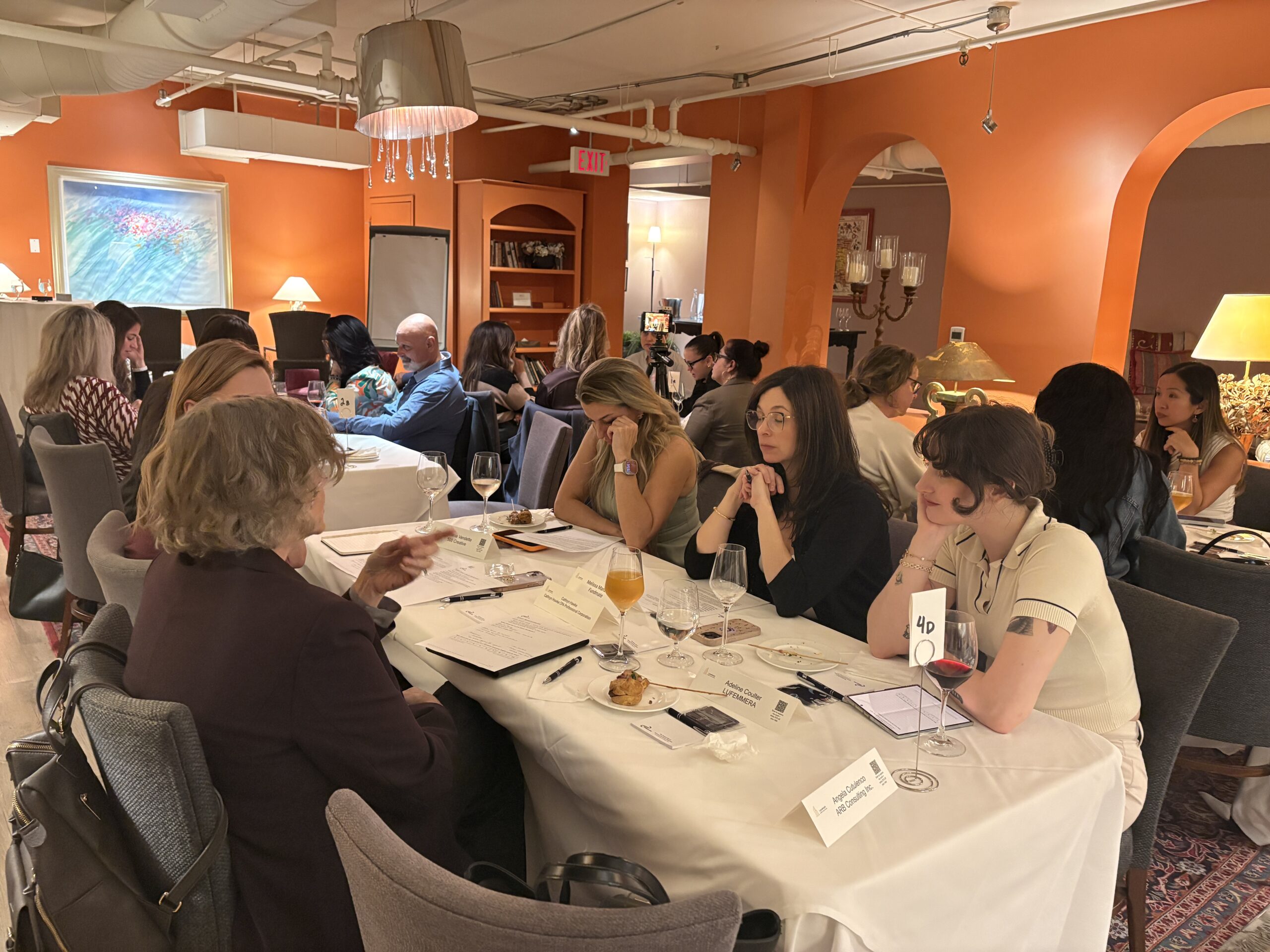
Why Companies Delay Hiring Event Leadership — And What It’s Really Costing Them
Most organizations don’t reject event leadership outright. They postpone it.
On paper, the decision feels responsible. Budgets are tight, internal teams seem capable, and leadership wants to “see how this one goes” before bringing in senior support.
In practice, though, delay is never neutral. It quietly compounds risk, slows momentum, and erodes confidence across teams and stakeholders.
From an Event Director’s perspective, here are the five most common reasons organizations delay hiring event leadership — and the real cost of waiting.
1. “We Can Figure It Out Internally”
This is the most common reason organizations give — and the most expensive.
Internal teams are often skilled, committed, and capable. What they’re usually missing isn’t effort. It’s decision authority, pattern recognition, and a cross-event perspective that only comes from having led many events before.
Without that, teams spend weeks debating formats, over-engineering details, and revisiting decisions that were already made. Meetings multiply. Confidence erodes. Execution slows.
The cost isn’t payroll. The cost is decision drag.
When no one owns the event at a strategic level, progress feels busy — but direction stays unclear.
2. “We Don’t Run Enough Events to Justify It”
Many organizations assume event leadership only makes sense at scale. In reality, the opposite is true: the fewer events you run, the more each one matters.
Without senior leadership, one underperforming event can stall your pipeline, weaken sponsor trust, or confuse your market positioning for an entire year.
Event leadership isn’t about volume. It’s about protecting the strategic value of the moments you *do* have.
3. “We’ll Bring Someone In Once the Scope Is Clear”
This assumption sounds logical. It’s also backward.
Scope rarely becomes clear on its own — it becomes clear through structured decision-making, trade-off analysis, and early alignment across departments. That process *is* the work of event leadership.
When leadership waits, teams lock in venues, dates, formats, and vendors before the strategy is fully defined. By the time support arrives, flexibility is gone.
The cost is irreversible decisions made too early.
4. “Events Are Executional, Not Strategic”
This belief quietly undermines ROI.
Events now sit at the intersection of brand trust, buyer confidence, internal alignment, and revenue. In a market where buyers need reassurance — not just information — experiences do the heavy lifting.
Events shape how safe a decision feels. They signal credibility, maturity, and leadership presence. Treating events as logistics instead of strategy means missing their role in the broader growth engine.
5. “We’ll Hire Support When Something Breaks”
Many organizations only bring in senior event leadership after a miss: a sponsor drops, attendance underperforms, or the team burns out.
By then, the cost has already been paid. Reactive hiring fixes symptoms. Proactive leadership prevents them.
Strong event leadership doesn’t just solve problems — it removes fragility from the system before pressure hits, and creates the conditions for innovation instead of damage control.
What Delay Is Really Costing You
Delaying event leadership rarely shows up as a single line item on a budget. Instead, it shows up as:
– Slower decision-making
– Inconsistent attendee experience
– Internal friction and burnout
– Lower confidence from sponsors and stakeholders
– Missed opportunities to convert momentum into revenue
Most importantly, it shows up as lost trust — both internally and externally.
In today’s B2B environment, confidence is currency. Events are one of the fastest ways to build it, or erode it.
The Shift That Changes Everything
Organizations that bring in event leadership earlier don’t spend more. They waste less.
– They move faster, because decisions are clearer.
– They execute better, because teams feel supported.
– They convert more, because the experience aligns with intent.
Event leadership isn’t an insurance policy. It’s a growth lever.
If your events matter to your brand, your pipeline, or your people, leadership should arrive before things feel urgent.